


Research Culture and Impact

The College of Medicine fosters a vibrant interdisciplinary research culture that spans the full spectrum—from uncovering fundamental molecular mechanisms to exploring human behavior and community health. This dynamic environment is anchored by several translational research centers and institutes, as well as core facilities that provide cutting-edge support to investigators across the university. The College proudly hosts the University of Florida–Florida State University Clinical and Translational Science Award, underscoring its commitment to accelerating discoveries into real-world solutions.

Our research agenda is equally diverse and ambitious. In the biomedical sciences, faculty lead innovative studies in molecular, cellular, and developmental biology, behavioral and systems biology, and foundational biochemistry and biophysics. Robust translational programs address pressing health challenges, including autism, mental health, behavioral sciences, and social medicine, while advancing care in geriatrics, family medicine, and rural health. Together, these efforts reflect a shared mission: to generate knowledge that transforms lives and strengthens communities.


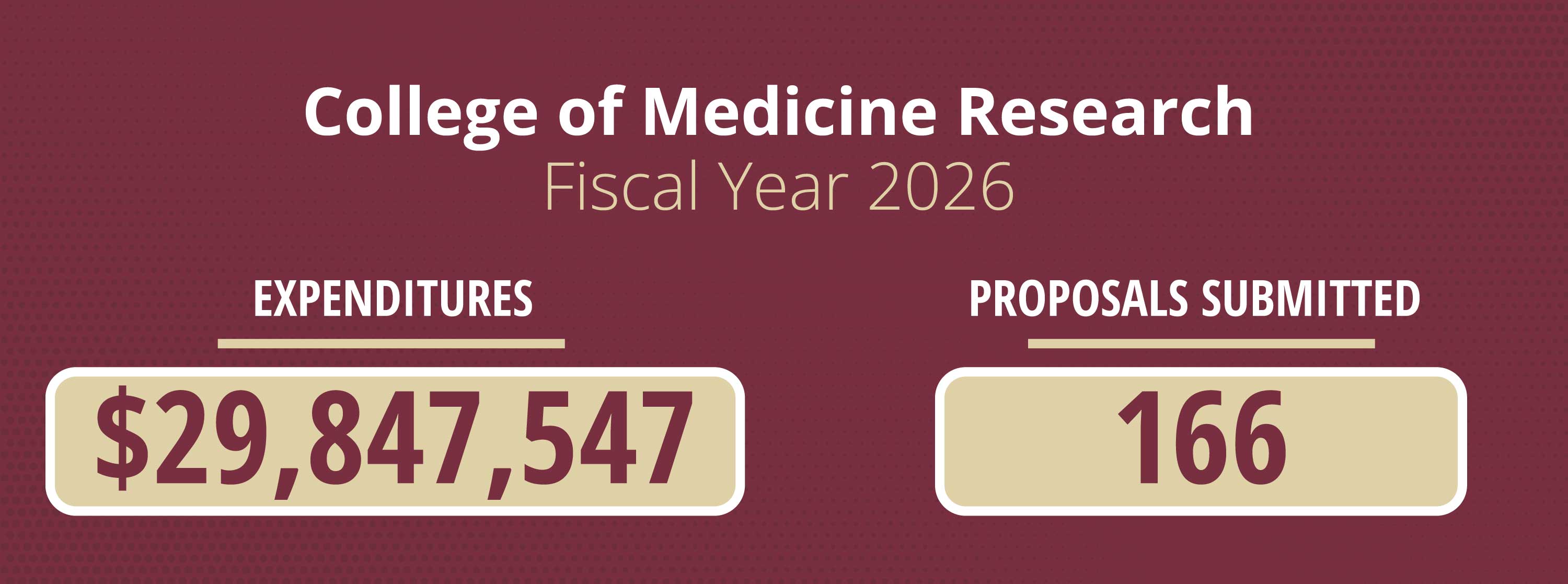
COM Research Expenditures 2025

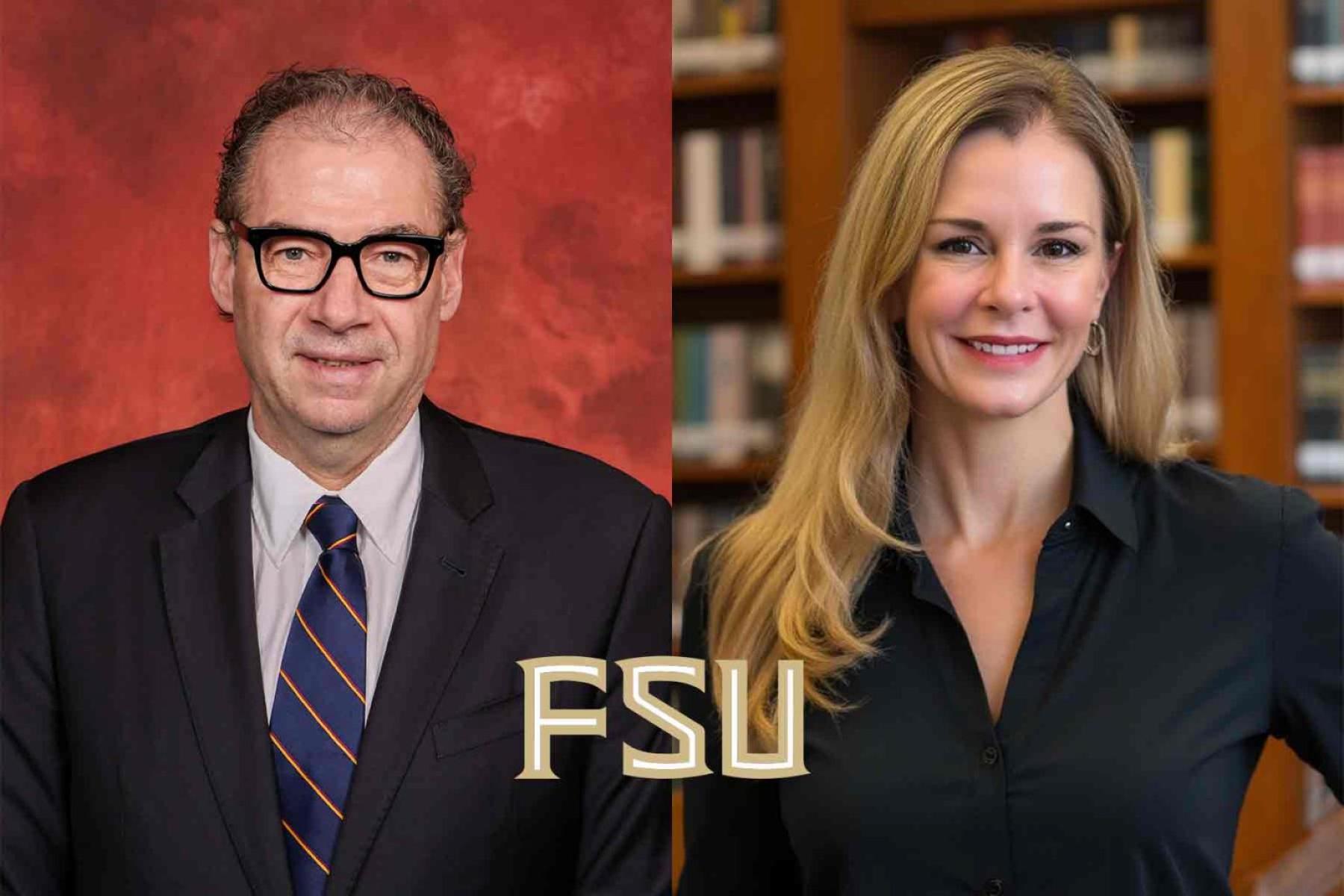
2024-2025 Outstanding Faculty Researchers

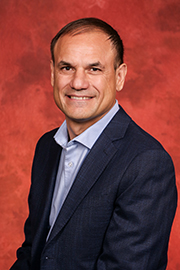
Antonio Terracciano

Senior Faculty Researcher Antonio Terracciano, PhD: Dr. Terracciano is a Distinguished Research Professor in the Department of Geriatrics. His work focuses on how personality evolves with age, varies across cultures, and contributes to longevity and resilience against neurodegenerative diseases. Dr. Terracciano and his team also investigate how psychosocial factors like personality, loneliness, purpose, well-being, and subjective age are related to cellular, metabolic, immune, and neurodegeneration biomarkers. Additionally, they examine the cognitive, behavioral, and personality changes that occur during the progression of dementia, starting from its preclinical stages.

Julia Wang

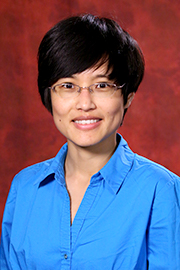
Junior Faculty Researcher  Yue "Julia" Wang, PhD: Dr. Wang is an Assistant Professor in the Department of Biomedical Sciences. Her lab conducts exciting research on the molecular programs of diabetes. Dr. Wang and her team apply highly innovative single-cell multiomics as well as functional genomics approaches to elucidate pathways involved in endocrine cellular plasticity and diabetes pathogenesis. They also develop bioinformatics tools to deep analyze single-cell RNA-seq data to derive further biological insights. Ultimately, Dr. Wang’s lab aims to discover novel targets that lead to the effective treatment of diabetes.

Research Spotlights

Upcoming Events