
By Patience Moseley
FSU College of Medicine
Yue “Julia” Wang, Ph.D., was awarded a $2.7 million grant from the National Institute of Diabetes and Digestive and Kidney Disease, NIDDK, to unravel the mystery behind pancreatic beta cell failure in Type 2 diabetes.
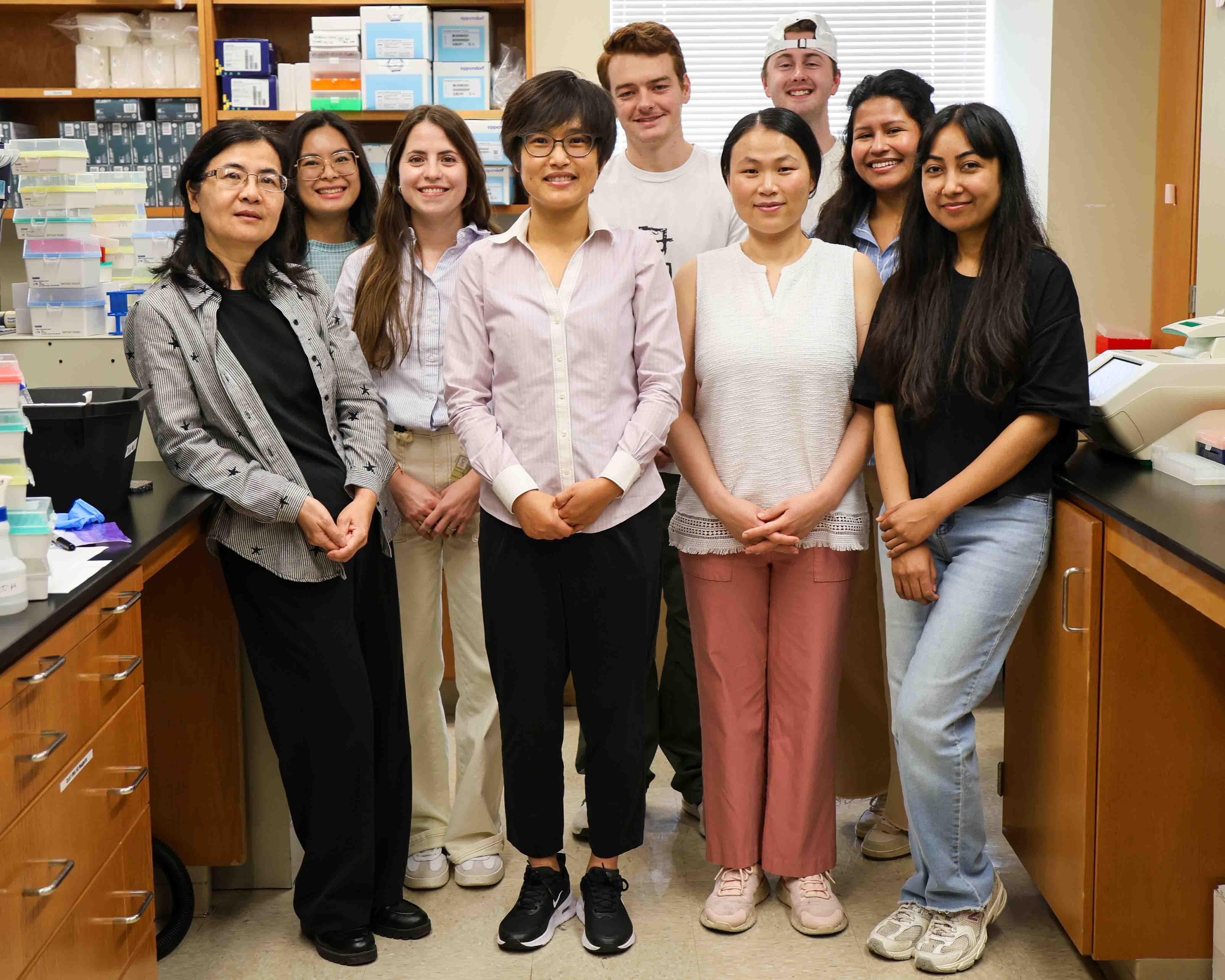
For Wang, this award represents more than an opportunity to continue her research; it’s a personal and a professional win. Her longstanding interest in molecular genetics of human disease has prepared her for this milestone.
“During my Ph.D., I joined a lab that applied molecular and genetic tools to diabetes research, and that experience really shaped my path,” said Wang, a researcher in the Department of Biomedical Sciences at Florida State University’s College of Medicine. “The more I learned, the more I didn’t know about diabetes; it is such a complex disease, involving genetics and environments.”
Type 2 diabetes affects approximately 38 million American adults, according to the Centers for Disease Control and Prevention.
Now, Wang gets to really dive into the research with her own scientific questions and a $2.7 million R01— a prestigious Research Project Grant — from the NIDDK, an institute within the National Institutes of Health, or NIH. The R01 grant is the flagship funding award from the NIH that provides financial support to high impact projects for 4-5 years.
NIH awards these highly competitive research grants to only a small percentage of applicants whose research will address a critical problem to progress disease treatment or therapeutic strategies. Wang’s research does just that.
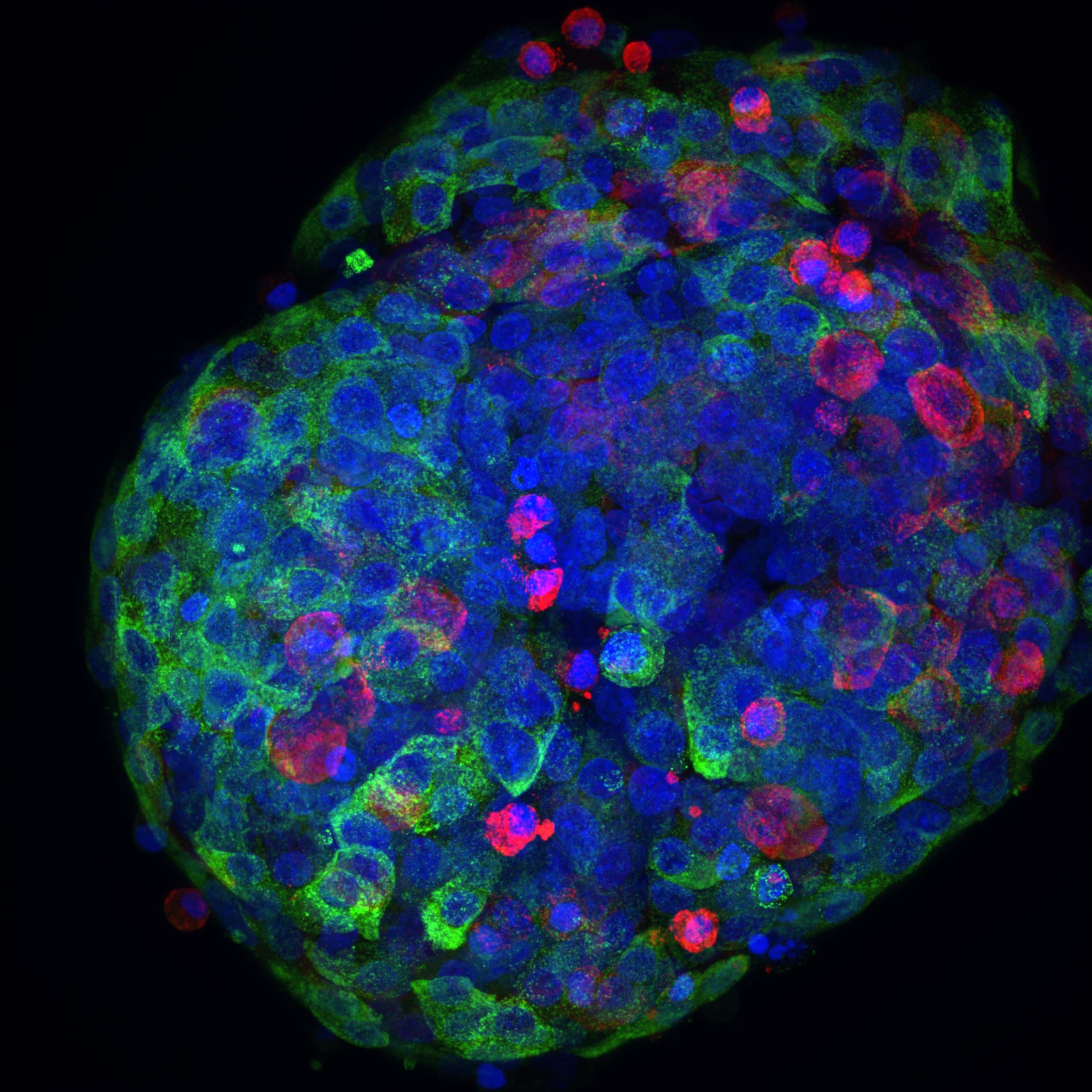
Using human-derived pancreatic beta cells, the Wang lab examines the effects of metabolic stress on insulin secretion. Pancreatic beta cells sense glucose in the blood and secrete insulin proportional to blood glucose levels.
Too much glucose and lipid over time creates cellular mayhem – more scientifically called glucotoxicity – which induces metabolic stress.
Under metabolic stress, beta cells shift into overdrive to compensate for reduced insulin secretion. They begin to work harder, physically growing larger in size and number to produce more insulin. The increased workload ultimately leads to cellular exhaustion and eventual cell death.
“Beta cells are somewhat like a balloon under pressure. They can stretch and adapt as demand increases, but if the pressure keeps rising, they eventually reach a breaking point,” Wang said.
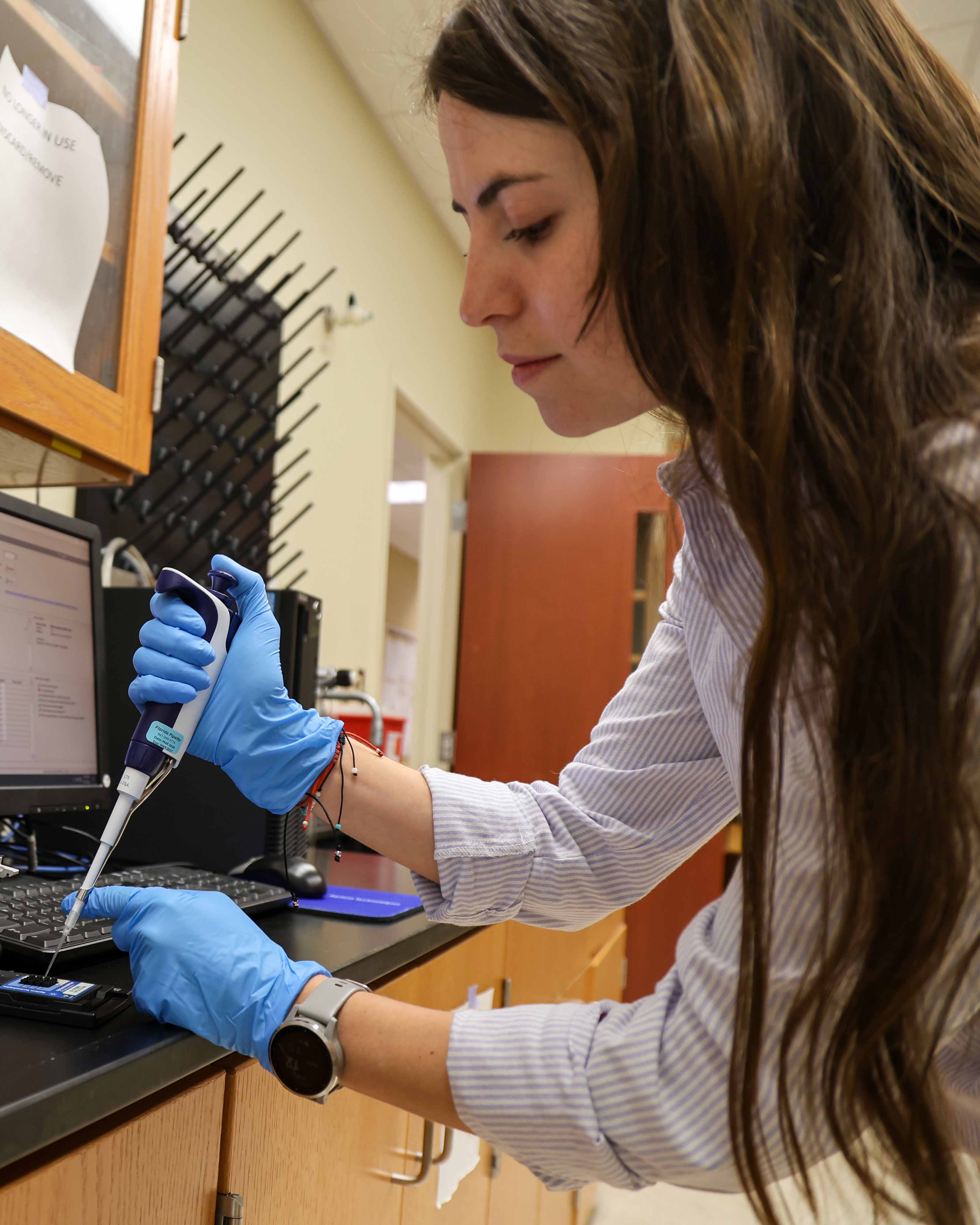
“Beta cells try to adjust and adapt, but with continuous exposure to high glucose and high lipid levels, they switch from adaptive to maladaptive. And they actually carry memory, too.”
Beta cell “memory” allows the cells to adapt and remain functional during temporary glucose spikes. However, consistently high blood glucose and high lipid levels overwork these cells as they remain in the adaptive state. Over time, beta cells can no longer keep up with demand, and they shift into a maladaptive, or dysfunctional, state.
The overnutrition cell culture model the Wang lab uses mimics what pancreatic beta cells in our bodies might experience when exposed to chronic high fat, high sugar intake.
With funding from NIDDK, the Wang lab will use genome editing and bioinformatic technologies to determine how beta cell stress contributes to Type 2 diabetes progression.
“We think the key memory marker is actually epigenetics,” Wang said. “We found a specific epigenetic modification that seems to really follow along the switch from beta cell adaptation to maladaptation.”
Epigenetic modifications change how DNA is packaged, causing DNA to condense, making the cell’s instruction manual inaccessible to promote cell survival. In Type 2 diabetes, though, the instructions needed to sense glucose and secrete insulin aren’t readable, and beta cells overwork until they lose their function.
Wang’s lab has already identified several regulatory epigenetic processes involved in the switch from adaptive to maladaptive states, and Wang aims to use her recent grant award to fund molecular and genetic approaches to unravel these epigenetic modifications.
“This grant is taking advantage of all the technology development for the past decade,” she said. “With gene editing technology, we can open and close one regulatory region and basically make this region more active or make this region more repressive to see if it is really involved in the process.”
Wang hopes these findings can be used to diagnose and even treat Type 2 diabetes.
Photos by Eduardo Miyar for the FSU College of Medicine.