
Anticipation builds for DM@FSU 2026 donation for area pediatric outreach
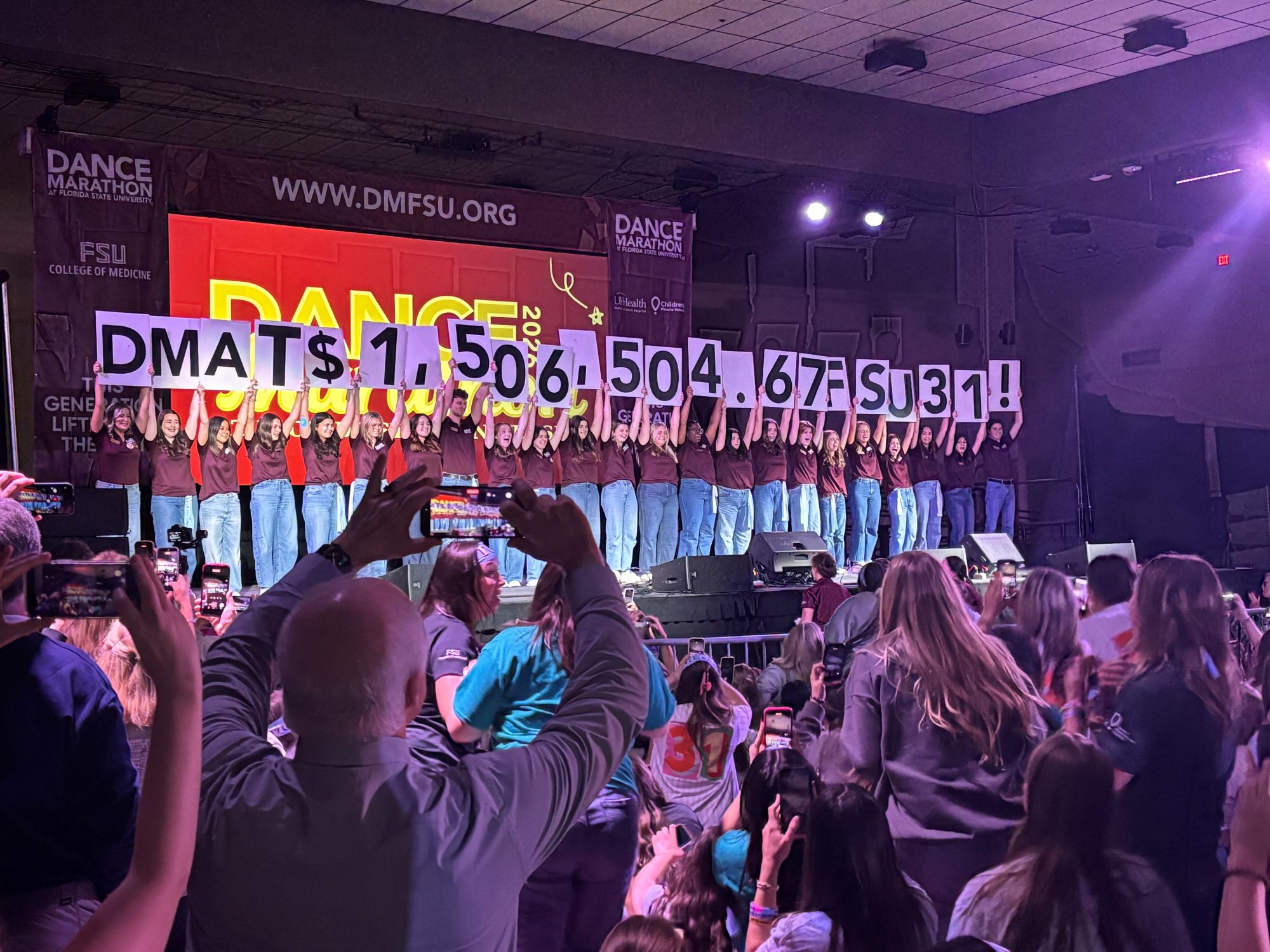
Every spring, the first Sunday in March marks the closing ceremonies of Dance Marathon at FSU, the largest student-run philanthropy on the Florida State University campus. Work on the next year’s marathon begins almost immediately and continues all year long.
Every fall, after all the accounting and auditing has been completed, the Children’s Miracle Network (CMN) and DM@FSU divide the proceeds between our area CMN hospital, UF Health Shands Children’s Hospital in Gainesville, and the FSU College of Medicine’s pediatric programs throughout the Big Bend. This year’s ceremonial check presentation is scheduled for noon Monday, Oct. 5, in the College of Medicine Atrium.
Since 1996, DM@FSU has raised $24.3 million for pediatric healthcare services in North Florida and the Big Bend. Created in 2000 by an act of the Florida Legislature and signed into law by then-Gov. Jeb Bush, the FSU College of Medicine was added as a beneficiary in 2003. To date, $10.99 million has been raised to support the college’s Pediatric Outreach Program. This year’s net total is expected to push that total above $11 million.
As Monday’s celebration approaches, we thought you’d like to see exactly where the money raised by DM@FSU goes and who it helps. What follows are snapshots of our eight community partners, the services they provide, and a few of the families whose lives are made better as a result.
FSU Early Head Start in Gadsden County
FSU Early Head Start provides home-visiting services, early childhood education, health resources and family support to Gadsden County families. Its work focuses on the period from conception to age 3, when brain development occurs most rapidly.
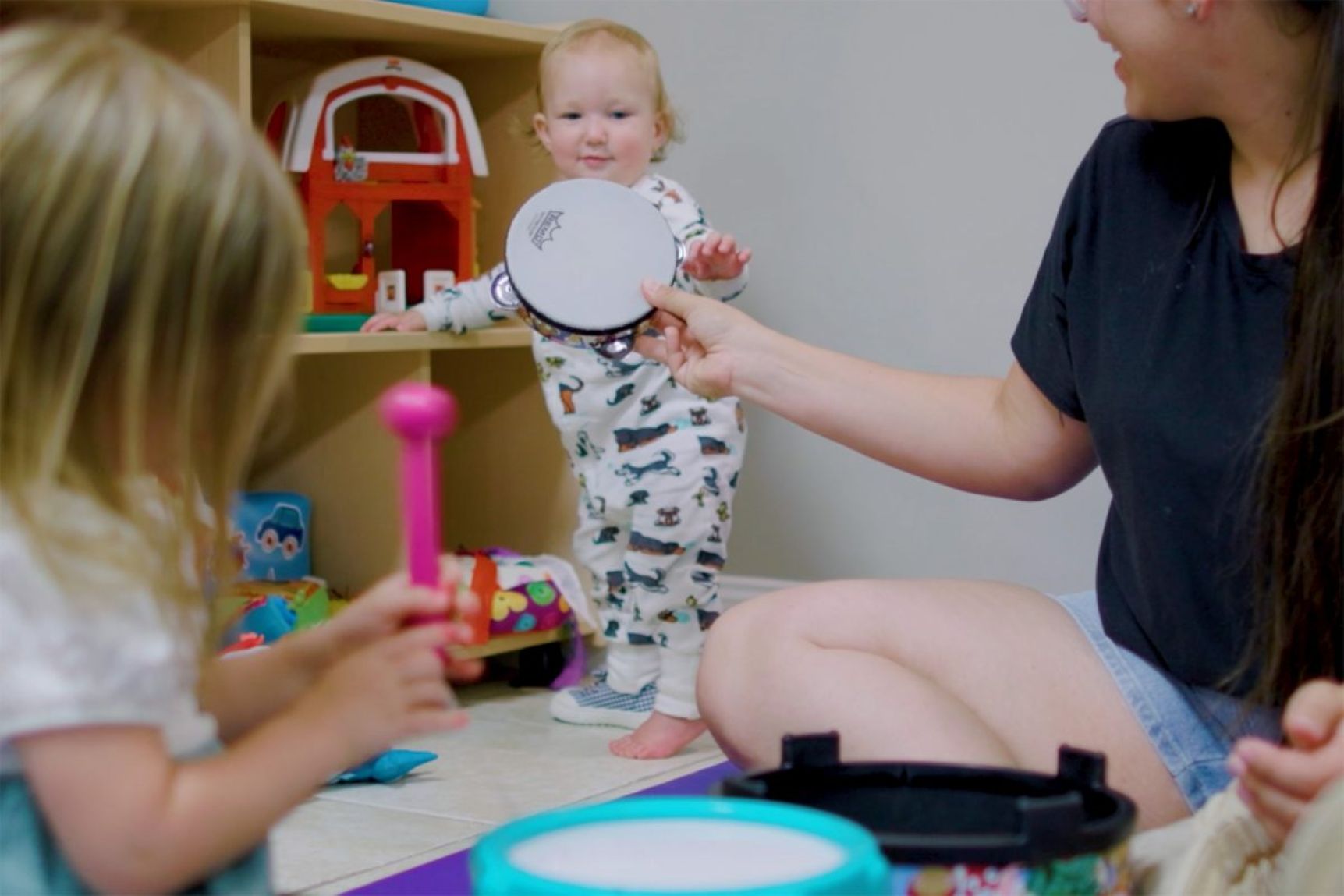
The weekly home visits provided Jemisa Lamb, who became a first-time mother in 2014, the guidance and support she as she learned to care for her child. Lamb had lost her own mother years earlier.
“I didn’t know anything. I needed help,” Lamb said. “My home visitors always took the place of my mom.”
Over the years, as Lamb’s family has grown, she has leaned on the program to continue learning.
"Without FSU Early Head Start, I would be so lost as to how to raise my children, how to put them on a path to eating healthy and getting them prepared for school," she said. "Every time I entered the program, it was always a relief."
It is operated through Florida State University's Center for Prevention and Early Intervention Policy and celebrated its 30th anniversary this year.
"Each home visit is individualized based on that family's needs," Director Colleen Williams said. "We're not only serving the child in the home but we're actually serving the whole family, because what we know is that child does not grow up all by itself; it grows up within
a family. We're there to support the family in their growth so that when that child is 3 or ready to transition to Head Start, the family is prepared too."
The program's headquarters in Quincy serves as more than an office. It also functions as a gathering place where families participate in twice-monthly socialization events, parenting workshops and community activities.
Those services are particularly important in Gadsden County, Florida's only majority-minority county and one that faces persistent economic challenges.
Over the years, according to College of Medicine records, FSU Early Head Start has received at least $301,473 in DM@FSU funding as a pediatric outreach partner.
Read more about FSU Early Head Start in Gadsden County
Gadsden School-Based Health Centers
Since 2006, the FSU College of Medicine has partnered with the Florida Department of Health in Gadsden County and the Gadsden County School District to provide school-based health services to students. The program supports two full-time nurse practitioners and brings together health professionals and students from multiple disciplines to improve access to care for Gadsden County students.
College of Medicine Dean Alma B. Littles, M.D., knows better than most how much of a difference the clinics make. She grew up in Gadsden County and opened her private practice there in 1989, upon completion of her residency training in family medicine.
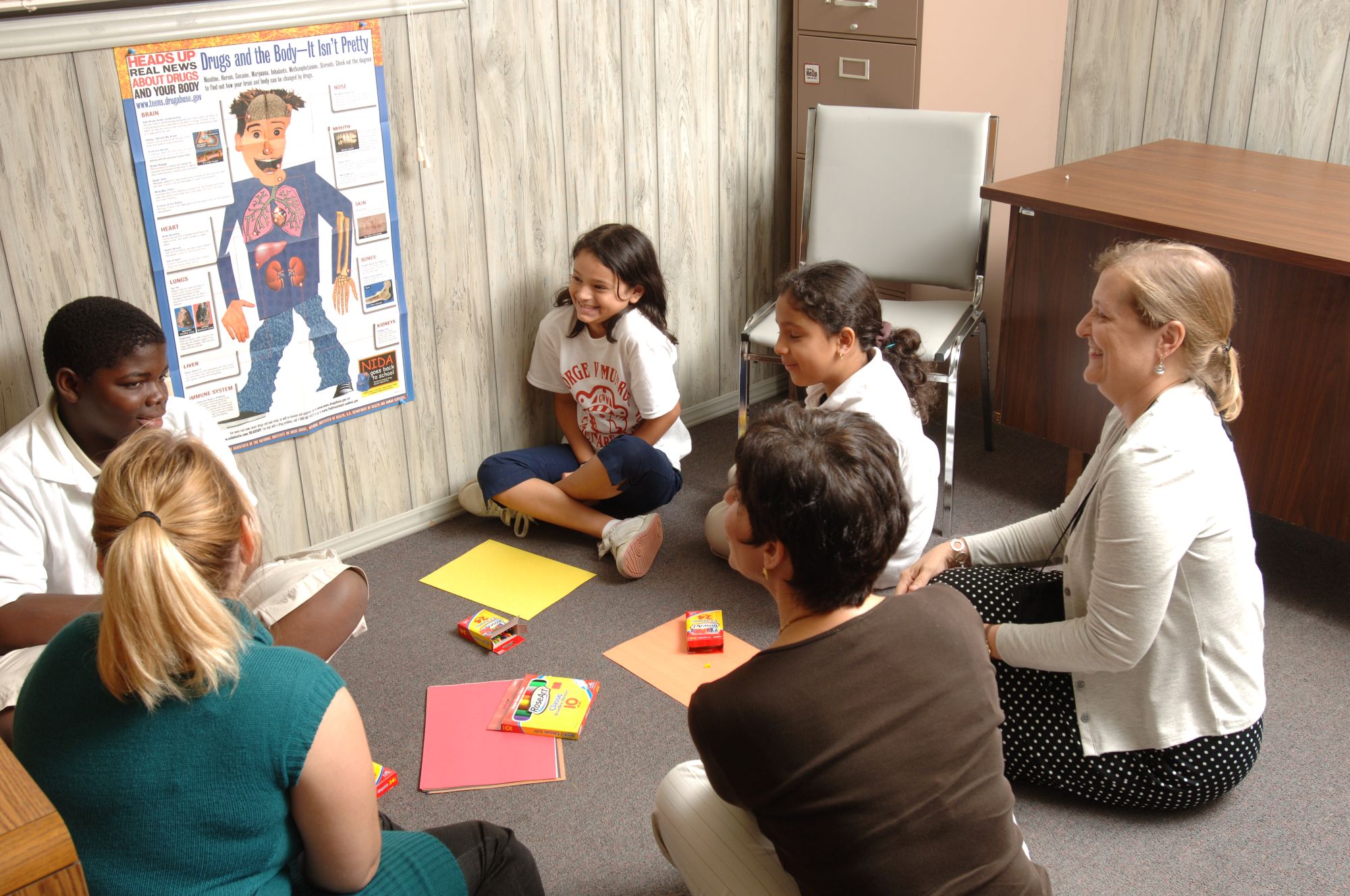
“This is not your usual school clinic; it’s a genuine lifeline,” she said. “For many of these children, the care they receive in the school-based clinics is the only healthcare they get.”
Through the Gadsden School-Based Health Centers, nurse practitioners work alongside FSU College of Medicine faculty and medical students, as well as FSU doctoral psychology students, to provide health care, behavioral health support, counseling, and preventive services within local schools. There are clinic spaces at five schools, with additional services provided to other area schools as needed.
The program also helps students participate fully in school and community activities by providing services such as sports pre-participation physical examinations.
“For us to be able to provide the required physicals, as well as the EKGs the state now requires for most athletes in ninth through 12th grades, it makes a big difference to many families,” said Geneva Scott-King, DNP, the nurse practitioner who directs the program. “There’s limited access to pediatric care in Gadsden County, and a lot of people can’t take off work to accompany a child to a doctor’s office.
“With the cost of everything rising, especially food and gas, everybody’s budget is strained. Parents want their children to be able to play sports if they want to, but if families had to pay for the physicals, too, some would be forced to make some hard choices.”
The clinics also provide physical examinations for students in Head Start and students participating in Special Olympics; second-year medical students join the program’s nurse practitioners during the spring games to provide first aid and support. The program also collaborates with the Panhandle Area Educational Consortium (PAEC) to provide a Summer School Health Clinic and Education Program. Support from FSU Dance Marathon also helps provide essential resources for children and families, including assistance with summer childcare, eyeglasses, medications and other health-related needs.
By far the largest of the College of Medicine pediatric outreach programs, the school health centers partnership has been supported with almost $3.8 million in DM@FSU funds.
Read more about the Gadsden School Health Clinics.
FSU PrimaryHealthTM
FSU PrimaryHealthTM opened on May 13, 2019, to provide full-service primary and behavioral health care in southwest Tallahassee. Until that day, the area around the intersection of Roberts Avenue and Eisenhower Street had been deemed both a medical desert and a food desert for years, with no healthcare facilities or major grocery store nearby.
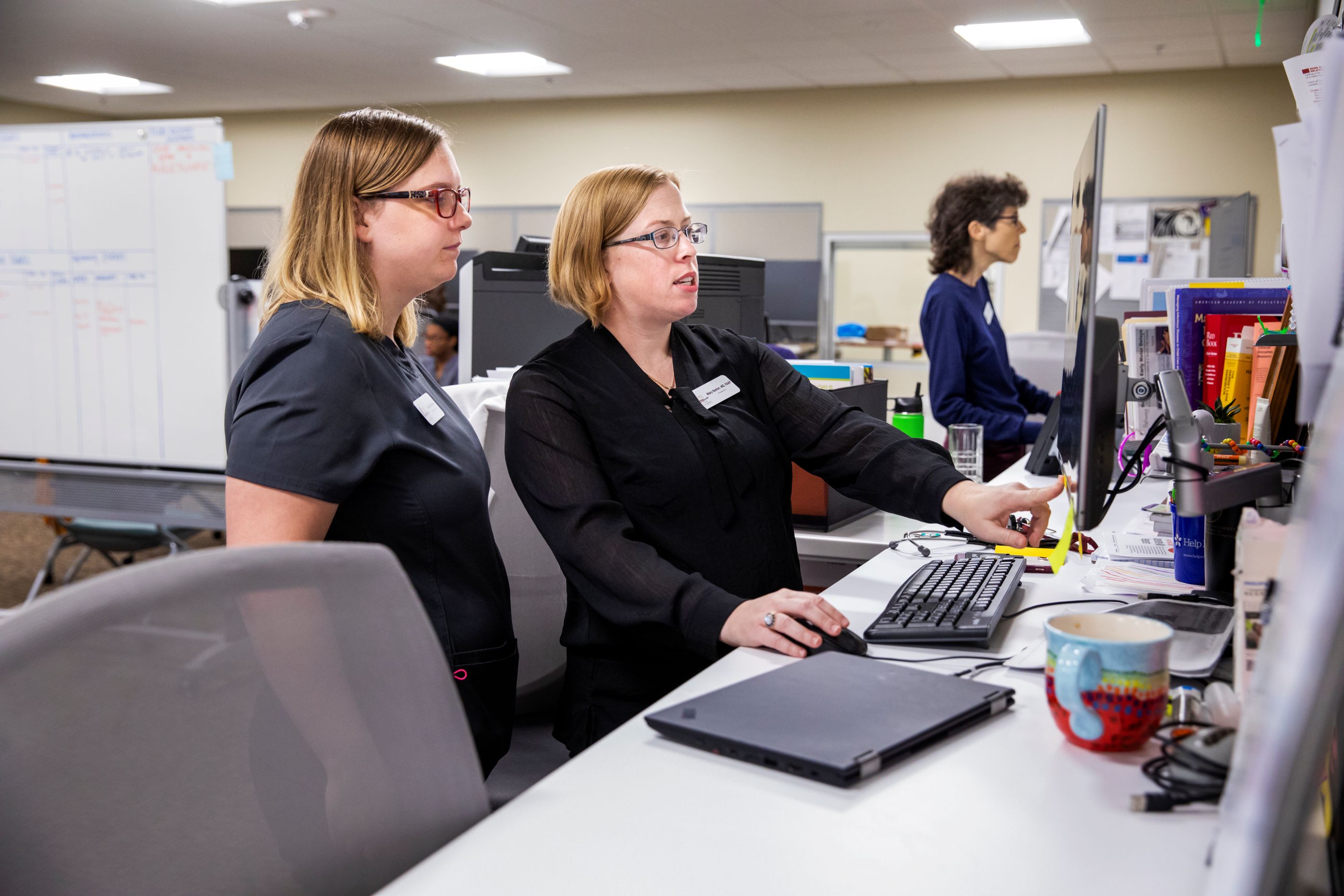
The ribbon-cutting celebration capped five years of planning and painstaking work, with the crucial participation of the four neighborhoods surrounding the center helping tailor services to the needs of the residents. Operated by the Florida Medical Practice Plan Inc., an arm of the College of Medicine, FSU PrimaryHealthTM is staffed by faculty physicians and health professionals, accepts all insurance including Medicare and Medicaid, and is a vivid example of living the mission by serving the underserved.
Residents of nearby neighborhoods face serious challenges, including per capita income that is less than half of the rest of Tallahassee; a 70% minority population, as opposed to 38% minority citywide; and at nearby Sabal Palm Elementary School, 100% of the students qualify for a free lunch.
“FSU PrimaryHealthTM has been able to expand primary care and behavioral care to children in our community because of Dance Marathon,” Dean Littles said. “These kids deserve quality healthcare, even if they live in areas with limited resources.”
Although focused on neighborhood residents, the practice welcomes people from throughout the community.
FSU PrimaryHealthTM has benefitted from more than $1.75 million in DM@FSU funding to date.
Read more about FSU Primary Health.
Big Bend Hospice pediatric and youth bereavement outreach
Since 2012, Big Bend Hospice has received grant support from the College of Medicine, usually through Dance Marathon@FSU funding, to support its free grief counseling and bereavement programs for children and teens.
Individual and group-based grief counseling, as well as community grief education, are provided in Franklin, Gadsden, Jefferson, Leon, Liberty, Madison, Taylor and Wakulla counties. The program creates meaningful opportunities for youth to grieve in ways that are healthy, safe, and supported. It also operates Camp Woe Be Gone.
While the death of a beloved relative is the most common reason services are sought, other tragedies and losses can exacerbate that need.
For example, the Taylor County community of Steinhatchee was particularly affected by back-to-back devastating hurricanes, Idalia in 2023 and Debby in 2024. In addition, a Georgia Pacific paper mill, the county’s largest employer, shuttered operations.
“So not only have they lost a loved one recently, maybe they had to move, too,” Bereavement Manager Pam Mezzina said.
Big Bend Hospice bereavement and grief programs have received at least $370,000 in funding to date through DM@FSU’s support of College of Medicine pediatric outreach programs, Snyder said.
Read more about Big Bend Hospice bereavement programs.
Bond Community Health Center
Because of DM@FSU support, Bond Community Health Center has been able to upgrade its mobile health unit, which had been outfitted with a dental operatory in 2019 with previous DM funding. This allows Bond to bring critical pediatric dental services directly to children and adolescents in non-traditional settings across the community. This includes comprehensive care for kids up to 18 years old and includes routine exams, regular cleanings, x-rays and fillings.
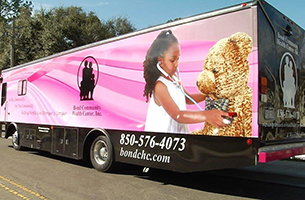 At last fall’s ceremonial check presentation, Juliana Olodude, MHA, lead specialist in the Outreach and Enrollment Department at Bond, said it makes a huge difference when you can meet people where they live and show them the care is real and accessible.
“Having a mobile unit that is equipped like a doctor’s or dentist’s office reinforces that this is serious, quality care,” she said. “It helps people feel worthy of receiving the health care they may not have had access to before.”
Other improvements include a brick-and-mortar dental clinic added at Sabal Palm Elementary School, Bond’s community partnership school near FSU PrimaryHealthTM. Temple Robinson, M.D., Bond’s chief executive officer, said, “The dental need in Leon County is so great.”
In addition, replacement of outdated diagnostic equipment in Bond’s pediatrics department helps provide early diagnosis of hearing, vision or cardiac disorders, and helps identify lead exposure in at-risk children – all thanks to DM@FSU support.
Bond has been awarded at least $566,000 in Dance Marathon funding to date.
Read more about the Bond Community Health Center.
Hang Tough Foundation
“Building strength. Inspiring hope. Together, we hang tough.
Dedicated to serving the entire family unit of a child diagnosed with a life-altering illness or special need throughout Florida’s Big Bend, the Hang Tough Foundation provides resources and encouragement to families through a variety of programs.
Established in 2015, the organization uses three terms to describe its clientele: “Hero,” a child diagnosed with a life-altering illness or special need between birth and age 21; “Sidekick,” a sibling of a Hang Tough hero; and “Family,” all immediate family members and caregivers of a Hang Tough hero.
The Family Immediate Needs program provides swift support to families facing unexpected challenges related to their child’s illness or special need, such as covering urgent expenses, coordinating care or offering resources during a crisis. Its goal is “to be a dependable source of relief, providing practical assistance that helps stabilize families as they navigate their journey.”
Care Team volunteers are matched with families and might provide help at home, prepare a meal once a month or attend a Hero’s extracurricular events. They help build a community the family can rely on during traumatic or difficult times.
The organization also sponsors family events and Parents Night Out, so parents can socialize while volunteers provide meaningful activities for Heroes and Sidekicks.
DM@FSU funding supports the Teen Hangout Program, which provides a safe and supportive environment for teens in middle and high school to participate in social activities and express themselves freely and without judgment. It also includes life skills and workforce development education. Funding also helps provide activities and materials to support caregivers.
The Hang Tough Foundation has received more than $22,000 in funding to date through the efforts of DM@FSU.
Read more about the Hang Tough Foundation.
FSU Institute for Infant and Child Medical Music Therapy
The College of Music’s Institute for Infant and Child Medical Music Therapy provides patient- and family-centered developmental clinical services to patients at Tallahassee Memorial HealthCare, including music therapy to reduce hyper-responsiveness and agitation, increase feeding effectiveness and increase duration of sleep.
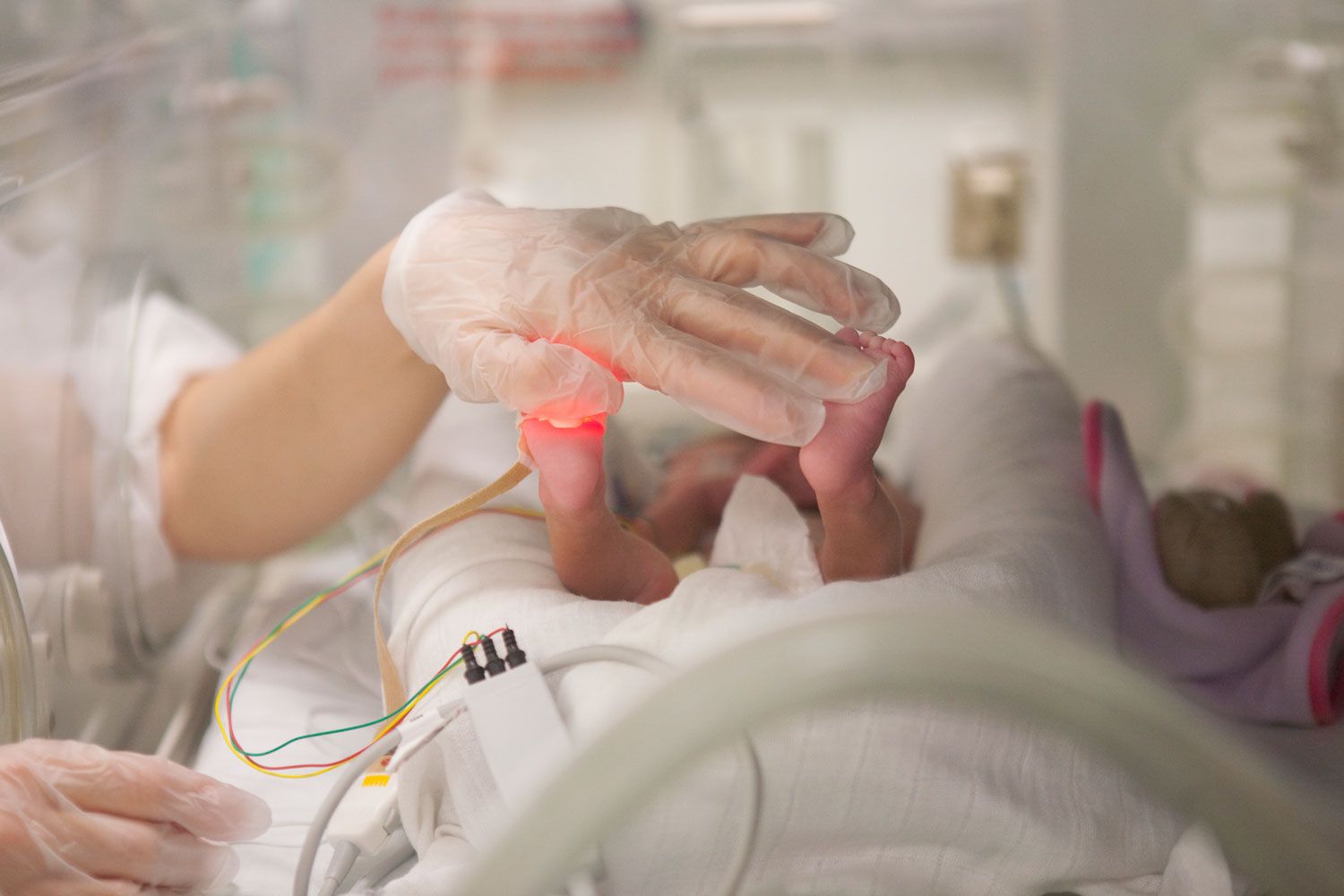 As Dean Littles told the attendees at the closing ceremonies of DM@FSU 2026 in March, “Your hard work funds services that support babies as they traverse Neonatal Opioid Withdrawal Syndrome and other Neonatal Intensive Care Unit services through the Music Therapy Institute.” Those other NICU services include positioning, transitioning, care for women to stall premature birth, and community outreach with music.
Music therapy can help premature babies catch up on developments that full-term newborns experience within the womb.
Over the years, thousands of premature babies have benefited from these music therapy services. In addition, the Institute’s partnership with TMH provides a wealth of hands-on educational opportunities for undergraduate and graduate students in music therapy. An internship program immerses graduate students in all levels of individual and group treatment, observation, assessment and evaluation, and special projects. The specialized training interns receive in the NICU renders them eligible to earn an additional certification in NICU Music Therapy. The Medical Music Therapy Program has a 100% placement rate among its alumni seeking positions at all levels, whether clinical or faculty, not just for infants and children but throughout the lifespan.
To date, more than $780,500 raised by DM@FSU has been awarded to the FSU Institute for Infant and Child Medical Music Therapy.
Read more about the FSU Institute for Infant and Child Medical Music Therapy.
Tallahassee Memorial HealthCare Affiliates (Foundation and other entities)
TMH and the FSU College of Medicine have long had a strong bond, since before the college became a DM@FSU beneficiary. TMH doctors and administrators helped design the college curriculum and served as early advisors and faculty. Dean Littles completed her family medicine residency training there in 1989 and later served as residency program director; in addition, she helped establish what is now the TMH Physician Partners practice in Quincy while in private practice there.
It’s good medicine, good business and good community for the largest hospital in the region and the largest state university in the Big Bend and Panhandle to work together for the betterment of everyone.
DM@FSU funds have supported many TMH projects, including acquiring and expanding equipment and capacity for women and children’s patient services. These have a positive impact on Maternal, Infant, Child Health and Mental Health services by improving health outcomes and efficiency in patient treatment.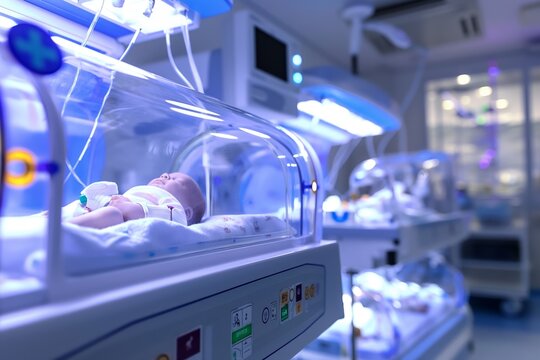
Nigel Harris, president and chief advancement officer of the TMH Foundation, described why specialized and costly incubators that serve as protective shields for premature newborns can change the trajectory of a child’s life.
“For a baby born early, the world is too loud, too bright and too cold,” he said. “These incubators create a quiet, filtered and pressurized space where a preemie can focus 100% of their energy on growing, rather than fighting off the outside environment.
“Every time a family leaves our hospital with a healthy baby, Dance Marathon is a silent partner in that success. We continue to be grateful for the passion Dance Marathon participants bring to this mission!”
TMH is the second highest recipient of College of Medicine funding provided by DM@FSU, with more than $2.1 million awarded.
Read more about Tallahassee Memorial HealthCare Affiliates (Foundation and other entities)